Turning 40 sneaks up on you. One minute you’re 29 and play 5-a-side twice a week; next minute you’re 42 and your entire social life revolves around kids’ birthday parties. Hobbies fall off the list. Weekends become logistics operations. “What do you do for fun?” becomes genuinely hard to answer.
Here’s a practical dad’s guide to picking up a hobby over 40; what’s worth starting, what suits the time you actually have, and how to make it stick past the initial enthusiasm.
Active hobbies
Creative hobbies
Social hobbies
Quiet/solo hobbies
Making it stick
FAQ
Why bother with a hobby now?
Not to add to the to-do list. Hobbies at 40+ serve three functions that very little else in middle-aged life does:
- They’re yours — not work, not family, not obligation. Purely for you.
- They’re a different kind of rest — active rest beats passive rest for mood and sleep. Watching Netflix isn’t rest in the same way that playing music or building something is.
- They keep you interesting — to yourself, to your partner, to your future 60-year-old self looking back.
Also: they’re one of the best ways to meet other dads and build friendships outside school-gate small talk. More on that below.
Active hobbies worth starting over 40
Running — specifically trail running
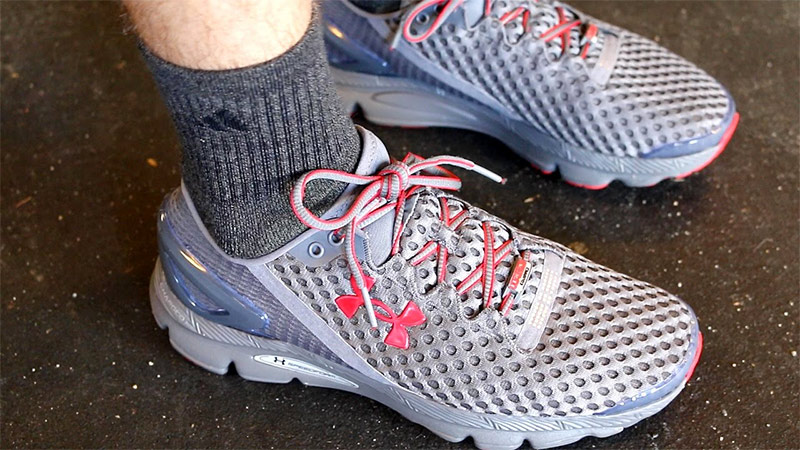
Joint-kind if you build up slowly. Parkrun (Saturday 9am, everywhere) is the gateway. Then trail runs in local woods. Costs nothing to start beyond decent trail shoes (£80).
Cycling (road or gravel)
Brilliant hobby for dads with space for a bike. Low-impact, meditative, and local cycling clubs are full of 40-something blokes happy to let you tag along. £500 gets you a solid entry bike; £1,500+ for something you’ll love for 10 years.
Climbing (indoor bouldering)
Almost every town has an indoor climbing centre now. Pay-as-you-go (£12–£18 per session) or membership. Full-body workout, mentally absorbing, genuine progression. Great solo or social.
Swimming (outdoor/wild)
Open-water swimming has exploded over 40. Lakes, rivers, lidos. Community is genuinely welcoming. Minimal kit (£60 wetsuit, goggles, tow float). Good for mental health as well as fitness.
Golf
The classic dad hobby. Expensive to start seriously (£500+ for kit), social, gets you outside for 4+ hours. Lessons before buying equipment — or it’s a waste.
Martial arts (jiu-jitsu, boxing, Muay Thai)
Physical, technical, absorbing. Jiu-jitsu particularly popular with 40+ dads for its chess-like problem-solving and low cardiovascular demand. £80–£150/month at a decent gym.
Creative hobbies
Playing an instrument
Guitar or piano is most accessible. Online lessons (Fender Play, JustinGuitar) work well at this age — self-paced, no judgment. 15–30 minutes a day sees progress in weeks. £100–£300 for a decent starter instrument.
Photography
Cameras and editing software are incredible now. A decent mirrorless camera (Fujifilm X-T30, Sony A6400) gets you into a lifelong rabbit hole. £500–£1,200 starting kit. The phone is fine until you know you love it.
Writing (journaling, fiction, blogging)
Free, portable, compounds over time. Even 10 minutes a day of journaling has measurable mental health benefits. A notebook or Day One app is all you need.
Cooking (serious cooking, not “I heat food”)
Pick a cuisine, read deeply, practise. French, Italian, Indian, Japanese, BBQ — pick one and go deep. Transforms family meals. Budget for decent knife (£80), one good pan (£100) and you’re kitted.
Woodworking
A garage or shed transforms into a workshop. Start with a decent chisel set, a quality hand plane, and something to plane on. Satisfaction of building things is genuinely unique. Start with YouTube (Paul Sellers’ channel is the gold standard).
Social hobbies (where you’ll meet other dads)
Five-a-side football
Pretty much every town has 40+ “veterans” leagues now. Less running, more craft, same camaraderie. Search “walking football” or “veterans 5-a-side” locally.
Cricket (weekend club)
Local cricket clubs are surprisingly welcoming to adult beginners. 5-hour games in summer weekends. Kit cost reasonable (£150 to start).
Running or cycling club
Social side often underrated. Shared suffering builds friendship fast.
Book club or board game night
Yes, really. Dad book clubs and board game nights are a real thing. Quiet, weekly, actually interesting. Start one with 3 other dads you know.
Volunteer coaching (kids’ football, etc.)
Dual benefit — your kid, other dads, community. FA Level 1 coaching badge takes 2 weekends, £200. Opens doors to coaching roles.
Quiet/solo hobbies for the introverted
- Chess — chess.com is free, community enormous, surprisingly absorbing.
- Model building (miniatures, kits) — Warhammer, plastic model kits. Quiet, focused, fulfilling.
- Gardening (serious) — goes beyond “mowing the lawn.” Vegetable plots, raised beds, composting.
- Reading (with a purpose) — non-fiction series, deep-dive subjects. Keeps the brain agile.
- Bread baking, fermentation, coffee roasting — kitchen obsessions that give real results.
- Astronomy — a basic telescope (£200) + dark skies + a star app (SkySafari) is a gateway drug.
- Fishing — slow, meditative, solo or social. £80 starter kit plus Environment Agency rod licence (£35/year).
Making it stick past the initial enthusiasm
- Schedule it — same day, same time each week. “Tuesday evening is bouldering.” Non-negotiable.
- Start small — 30 minutes a week is enough to form the habit. Expand later.
- Find a community — solo hobbies die; social hobbies persist.
- Buy the kit after 3 months, not before. Prove you’re committed before spending big.
- Tell people — social accountability. Post a Parkrun time, share a photography shot, whatever.
- Don’t start three at once — pick one, give it 6 months, then consider a second.
- Forgive missed weeks — holidays, illness, work crunch. Restart without shame.
FAQ
Absolutely not. Plenty of people start new hobbies in their 40s, 50s and 60s — and continue for decades. You won’t be a professional, but you’ll be genuinely good at something in 2–3 years. Best time to plant a tree was 20 years ago; second best time is now.
Running (parkrun, free). Cooking (you already have a kitchen). Writing (notebook and pen). Reading. Chess (chess.com free). Most hobbies can be started with under £50 of kit — and you can always upgrade later if it sticks.
Protect one slot per week — Tuesday evening, Saturday early morning, whenever. Negotiate it explicitly with your partner (they should get their equivalent). 90 minutes a week is enough to see progress. Guilt-free is essential — you’re not neglecting anyone; you’re investing in the person they’re married to or depend on.
Something new, modestly. Returning to an old hobby you loved at 25 is fine but often less rewarding than discovering something genuinely new. The novelty of learning is itself much of the joy of a hobby.
Yes. Research consistently links engaging in non-work, non-family activities with lower depression, better sleep, higher life satisfaction. One of the strongest predictors of wellbeing in middle age is having something you’re learning, progressing at, or simply enjoying just for yourself.
The bottom line
Pick one. Schedule it weekly. Start cheap. Give it 6 months before judging. Whether it’s running, chess, cooking, climbing, or woodworking — having something that’s just yours in middle age is quietly one of the most important things you’ll do. Your future self will thank you.