Most fitness advice is written for people with time, no kids, and free weekends. It’s not written for a dad with a full-time job, a 6am wake-up from a toddler, and a gym membership he hasn’t used since January.
Here’s how to actually get in shape without a gym — just realistic habits and kit that fits a busy dad life.
The right approach for busy dads
Bodyweight at home
Minimal kit that works
Daily habits that compound
FAQ
Why bother now?
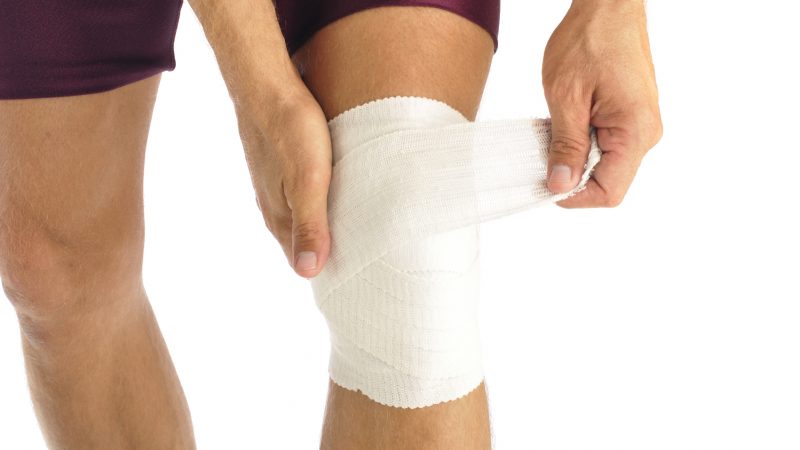
Men lose 0.5–1% of muscle mass per year after age 30 if they don’t train. By 50, you can be meaningfully weaker, stiffer, and more prone to injury. More importantly — your kids are energetic. “Chasing toddlers” is itself a workout, but you’ll enjoy it more and last longer if you’re strong and mobile rather than knackered by lunchtime.
Beyond the physical: exercise is probably the single most effective thing you can do for mood, focus, and sleep. Dads who move regularly report dramatically better mental health than those who don’t — see my dad mental health guide.
The right approach for busy dads
Short and often beats long and rare
20 minutes, 4 times a week, will get you fitter than 90 minutes on Sunday (if you even make it). Build the habit around when you can realistically do it — early morning before the house wakes, lunchtime, or 30 minutes before the kids come down.
Focus on compound movements
Push-ups, squats, lunges, pull-ups, planks — the big movements that train multiple muscles at once. Skip isolation exercises (bicep curls, etc.) until you’ve got the basics solid.
Progressive overload
Whatever you do, gradually make it harder. 10 push-ups becomes 12, then 15, then harder variations. Without progression, your body stops adapting.
Accept imperfection
Missed a session because the kid was up half the night? Doesn’t matter. Get back to it tomorrow. Dads who get fit are the ones who restart quickly after interruptions — not the ones who never miss a session.
Bodyweight workouts at home
The 20-minute dad workout (3 times a week)
- 5 minutes warm-up — light cardio, dynamic stretches
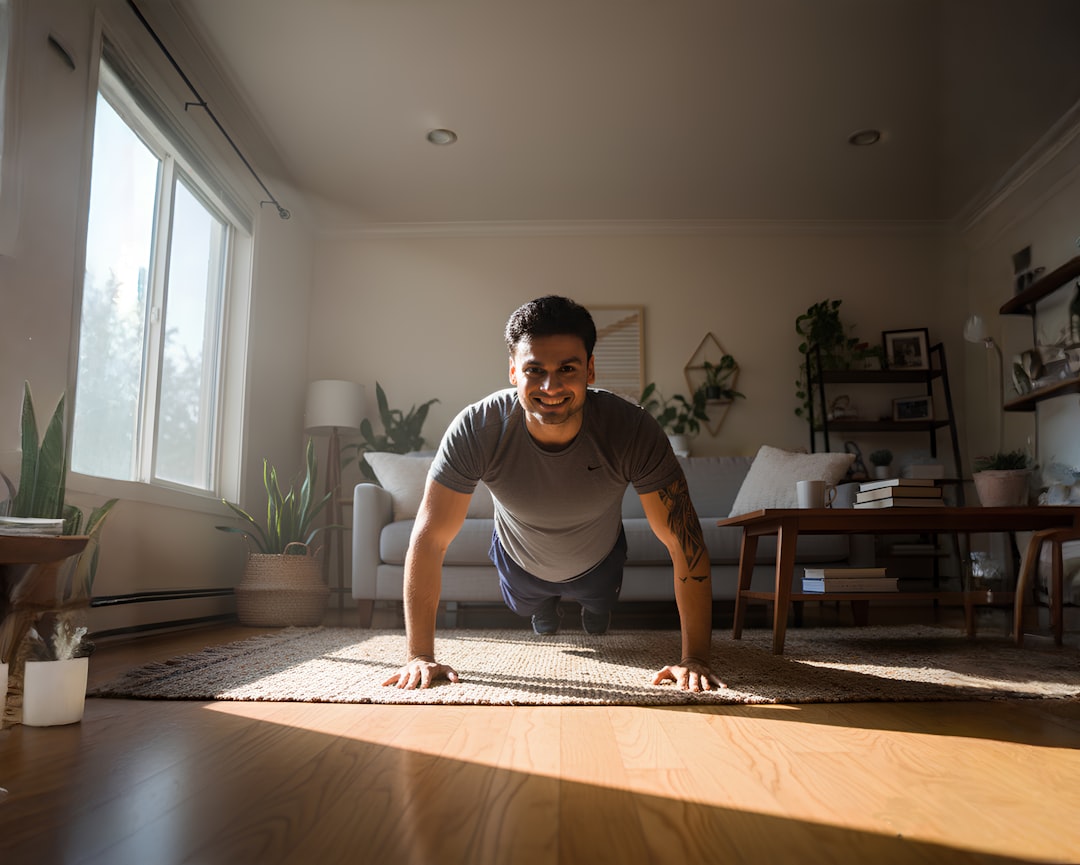
- 10 push-ups (or knee push-ups if needed)
- 15 squats
- 10 lunges (5 each leg)
- 30-second plank
- Rest 60 seconds. Repeat 3 rounds.
- 5 minutes finisher — something harder: mountain climbers, burpees, or a fast walk/run
Total: 20 minutes. Week 1 will feel hard; week 4 you’ll be adding reps. Simple, free, effective.
Add pull-ups if you can
A doorway pull-up bar (£15 on Amazon) is the single best piece of home fitness kit. Even 2–3 pull-ups a day builds back, shoulders, and core better than most gym machines.
Use a staircase
Set of stairs = your cardio machine. 10 trips up and down, 2–3 times a day, is a genuinely meaningful amount of daily movement.
Minimal kit that actually earns its space
Pull-up bar (£15–£30)
Doorway-mounted, no tools. Transforms what you can do with bodyweight training.
Adjustable dumbbells (£150–£350)
One pair, adjustable from 2kg to 20kg+ (Core Fitness, MX Select, PowerBlock). Replace an entire rack of fixed dumbbells. The single best fitness investment for home training.
Resistance bands (£15–£30)
A set of 4–5 looped bands. Versatile, quiet, travel-friendly, and let you progress bodyweight exercises. Particularly good for mobility work.
Kettlebell (£30–£70)
One 16kg kettlebell is enough for most dads to get most of the benefit. Swings, goblet squats, presses — wide range of exercises from one piece of kit.
Yoga mat (£20)
For floor work, stretching, and core. Decathlon’s is fine.
Total kit budget for a proper home setup: £200–£400. That’s one year of gym membership, done once, and it’s in your house.
Daily habits that compound
- Walk while on calls — work calls, family calls, podcast listening. A 30-minute walk adds up to over 2 hours of cardio a week without “exercising.”
- Stairs instead of lifts. Sounds trivial; adds up.
- Cycle short journeys — school runs under 2 miles, shop trips. Fitness and time-efficient.
- Play with your kids actively. Football in the garden, cycling, climbing frames, trampoline. Counts.
- Go to bed 30 minutes earlier. Sleep underpins everything. Poor sleep = no energy to train = no gains. See it as part of the fitness plan.
- Protein at every meal. Keeps you fuller, supports muscle. See my protein supplement guide.
FAQ
3 times a week of 20–30 minute sessions is the sweet spot. More is better if you can fit it in, but 3 is enough to see real results — and sustainable around a job and kids. Consistency beats intensity.
Yes — up to a point. Bodyweight training plus a pair of adjustable dumbbells covers 80% of what the average person needs for genuine fitness and useful strength. If you want to compete in powerlifting or bodybuild seriously, you’ll eventually need more. If you want to be a strong, mobile, capable dad, you don’t.
Whichever you’ll actually do consistently. Morning training has advantages (doesn’t get crowded out by the day’s chaos, mood boost carries through the day). Evening lets you use it as a stress valve. Neither is “better” — consistent beats optimal.
Tabata format: 20 seconds hard work, 10 seconds rest, repeated for 4 minutes. Pick 2 exercises (e.g. squats and push-ups), alternate. Add 2 minutes warm-up, 2 minutes cool-down — 10 minutes total. Genuinely effective when you’re pressed.
Energy/mood improvements: within 2 weeks of consistent exercise. Visible fitness gains: 6–8 weeks. Noticeable strength gains: 8–12 weeks. Bigger physical changes (visible muscle, fat loss): 3–6 months of consistency. The hardest part is the first 4 weeks before visible progress kicks in — stick with it.
The bottom line
20 minutes, 3–4 times a week, mostly bodyweight, add a pull-up bar and adjustable dumbbells when you’re ready. Walk more, play actively with the kids, eat protein, sleep. You don’t need a gym, don’t need fitness influencers, don’t need a six-pack. You need to be a strong, mobile, healthy dad for the next 30 years — and that’s achievable in the tiny windows of time you actually have.