Every time I’m asked “should I get an EV?” at the school gate, my answer is the same: “it depends.” And it genuinely does. For some families, an electric car is an obvious upgrade. For others, it’s a massive faff with unclear savings. Here’s the honest dad’s take on whether an electric car works for your family life in 2026.
Real running costs
Charging — the honest version
Best family EVs for 2026
Real downsides
FAQ
Who electric cars genuinely work for
You should probably get an EV if…
- You have a driveway or garage where you can fit a home charger
- Most of your driving is sub-200 miles per day
- You have off-peak electricity tariff access (Octopus Go, Intelligent Octopus)
- You keep cars 5+ years
- You want lower running costs and don’t mind some new habits
You probably shouldn’t (yet) if…
- You live in a flat or rent somewhere you can’t install charging
- You do regular 300+ mile journeys
- You rely heavily on public charging only
- You buy 3-year-old cars on PCP
- Your electricity costs are high and you can’t access off-peak
Real running costs — the actual numbers
For a 10,000-mile-a-year family driver:
Home charging on off-peak tariff (8–9p/kWh)
Roughly 2.5–3p per mile. Annual “fuel” cost: £250–£300.
Home charging on standard tariff (27–30p/kWh)
Roughly 8–10p per mile. Annual cost: £800–£1,000.
Public rapid charging only
Roughly 15–25p per mile (charger-dependent). Annual cost: £1,500–£2,500. Not dramatically cheaper than petrol at this rate.
For comparison, petrol car (40mpg)
Roughly 15–17p per mile at current fuel prices. Annual cost: £1,500–£1,700.
Conclusion: EVs win big with home charging on an off-peak tariff. They’re roughly cost-neutral if you rely on public charging. Without home charging, the case is weaker.
Other running costs
- Servicing: roughly half of petrol equivalent (no oil, no spark plugs, fewer moving parts)
- Road tax: free until April 2026, then £190/year (same as petrol)
- Insurance: typically 10–20% higher than equivalent petrol — insurers are pricing in parts cost
- Congestion Charge / ULEZ: EVs exempt in most zones, big saving if you drive into London regularly
Charging — the honest version
Home charging (the key)
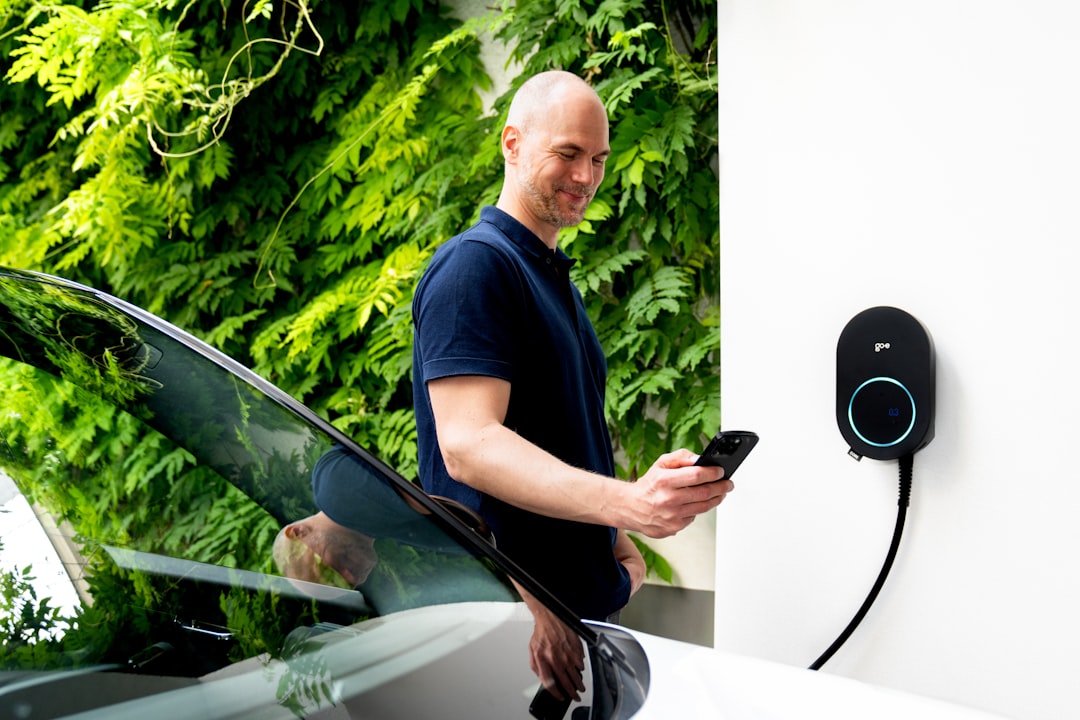
A 7kW home wallbox costs £900–£1,500 including installation. Charges most family EVs from near-empty to full in 7–10 hours. Night tariffs make this fast and cheap.
Without home charging, EV ownership is dramatically less compelling. If you can’t fit a charger, consider alternative: hybrid cars often work well.
Public rapid charging
Much improved since 2022 — reliable networks now include:
- Tesla Superchargers — best-in-class, now open to non-Tesla EVs
- Ionity — fast, premium-priced, motorway-focused
- Gridserve / Osprey / Instavolt — reliable, well-distributed
- Motorway services chains (BP Pulse, Shell Recharge) — mixed reliability, expect queues on bank holidays
Apps like Zapmap are essential. Charging for long trips requires planning — this is the biggest lifestyle shift from petrol.
Best family EVs for 2026
Tesla Model Y
Best-selling family EV for good reasons — huge boot, 300-mile range, fastest charging network in the UK. £44k–£55k.
Skoda Enyaq iV
Comfortable, spacious, less glamorous than a Tesla but more “normal car” feel. 280-mile real-world range. £38k–£52k.
Kia EV6 / Hyundai Ioniq 5
Stylish, 800V fast charging, loads of space. Same underpinnings. £42k–£55k.
BYD Seal / Atto 3
Chinese but genuinely competitive. Lots of car for the money. £35k–£45k.
Volkswagen ID.7 Tourer
Family estate EV done well. 350+ mile real-world range. £48k–£58k.
Budget pick: second-hand MG4 or Renault Zoe
MG4 is the value pick new (£27k); 2-year-old Zoes are under £10k used. Smaller batteries but fine for local/school-run duties.
Real downsides (honest version)
- Range anxiety on long trips — not mid-range. Manageable but requires planning.
- Depreciation has been harsh on EVs in 2023–24 — stabilising now, but used EVs have lost value faster than petrol over the last 2 years.
- Road trips take longer — a 5-hour petrol drive often becomes 6–6.5 hours in an EV with charging stops. Worth knowing before judgmental mother-in-law comments start.
- Winter range drop — expect 20–30% less range in cold weather. Real consideration if you’re tight on mileage in summer.
- Service options still limited in some rural areas — dealers need EV-certified techs.
- Tyres wear faster — heavier cars on higher-torque motors. Expect 10–15% shorter tyre life.
FAQ
Yes, comfortably. France and Germany have excellent charging networks now. Spain is improving fast. Use Tesla Superchargers, Ionity, or Fastned via Zapmap/ABRP (A Better Route Planner). Expect charge stops every 200–250 miles, 25–35 minutes each.
Significantly less. No oil changes, spark plugs, timing belts, or many moving parts. Typical EV service is inspection, brake check, cabin filter, software update — about half the cost of equivalent petrol. Biggest non-service expense is eventually the battery (if ever — most will outlast the car).
Data from Tesla, Nissan, and others shows 80%+ capacity retention after 200,000 miles on most modern EVs. Batteries are typically warranted for 8 years / 100,000 miles. For most family usage they’ll outlast the rest of the car. Battery degradation is no longer the concern it was in the early 2010s.
Dramatically cheaper at home on off-peak rates — 8-9p/kWh overnight vs 60-85p/kWh at rapid public chargers. Home charging is the economic engine of EV ownership. Without it, the financial case is weak.
Used EVs are good value right now because of recent depreciation. A 2022–2023 Model Y, Skoda Enyaq, or Kia EV6 at 50–70% of new price is a strong deal. Check battery health (most manufacturers provide a report) and remaining warranty. 3-year-old EVs with 30k miles are the current sweet spot.
The bottom line
If you have a driveway, a smart tariff, and don’t regularly drive 400-mile round trips — an EV in 2026 is a great family car. If you can’t charge at home, think twice. The car choices are good, the charging network is solid, the running costs are genuinely low for home chargers. Just don’t buy one because your neighbour did without doing the maths on your own driving.